

Bankroll Discipline For The Experienced Punter
Every seasoned player has asked themselves how much they can afford to burn before walking away. The question sits heavier after a long night at the tables, especially when the numbers on the screen do not match the memory of the play. Experienced punters know the drill, yet the urge to chase a bad beat still creeps in when the mood is right. Some sessions end with a quiet sigh and a clear head, while others leave a hole in the wallet that takes weeks to fill. The phrase money lost casino session AUD captures that exact moment when a player counts the cost and decides whether the entertainment was worth the price. A clear session budget stops the bleed before it becomes a problem.
Setting A Session Budget
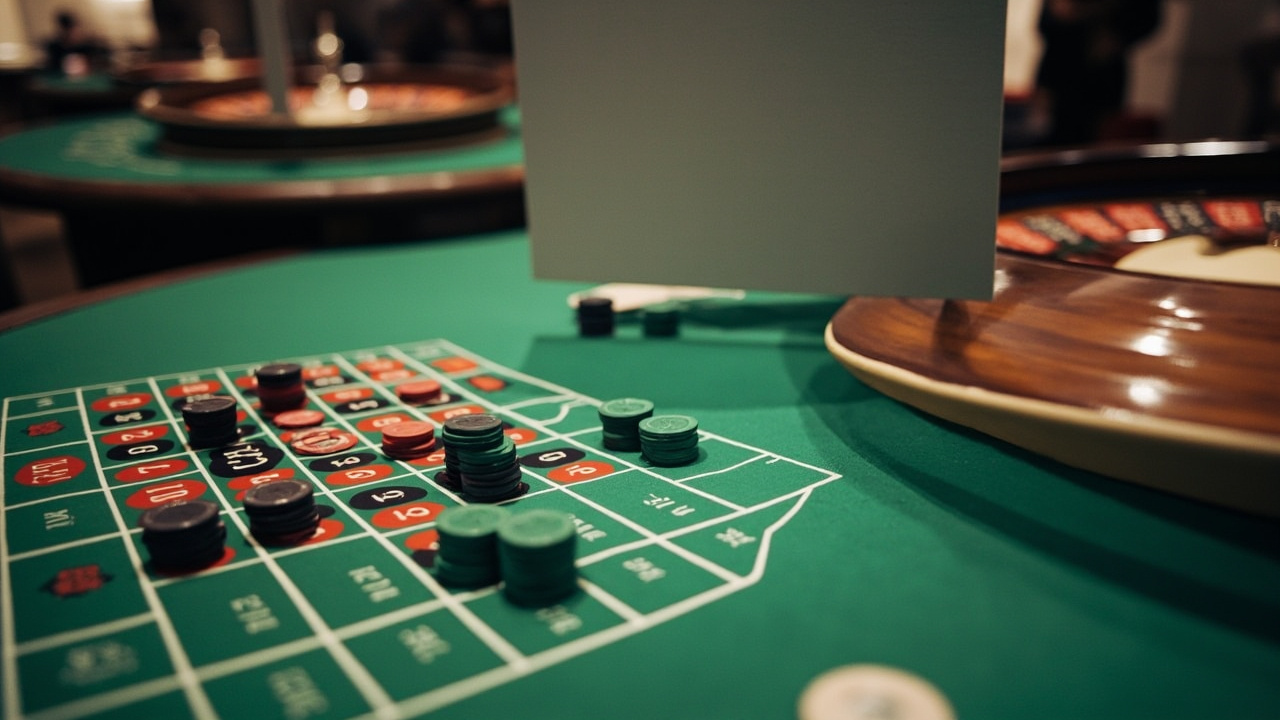
A session budget works best when it is treated like a fixed entertainment cost rather than a fund waiting to be recovered. Players who write down a hard limit before they log in tend to walk away with more control than those who decide on the fly. The amount should sit comfortably outside any money earmarked for bills, rent, or groceries. A good rule is to pick a figure that would not change the week ahead if it vanished entirely. Some operators, including chickenroadaus.com, publish clear deposit and loss tools that help a player lock in that figure before the first spin. The budget is not a prediction of wins, and it is not a target to hit. It is simply the ceiling for the evening.
Staking Plans That Hold
Staking plans only work when they match the size of the bankroll and the pace of the game. A flat stake across a session keeps the maths readable and removes the temptation to raise the bet after a loss. Players who vary their stakes wildly often find the session ends sooner than expected because the finantick.com variance swings too hard. Betting a small fraction of your bankroll prolongs play but can’t beat the edge. That single fact should shape every staking decision a player makes. A sensible approach is to keep each bet well below the total session budget, so a run of bad results does not wipe the night out in one go. The goal is to stay in the game long enough to enjoy it, not to force a recovery that the maths will not allow.
Loss Limits And Hard Stops
A loss limit is only useful when it is enforced without negotiation at the moment it is reached. Players who keep moving the line tend to turn a manageable session into a costly one. A hard stop can be set as a dollar figure, a time limit, or both, and it should be decided before the first deposit lands. Some players use a timer alongside a dollar cap, so a long losing stretch does not quietly drain the budget. The discipline matters more than the exact number, because the number only works if the player actually stops. A good test is to ask whether the limit would still feel fair after a string of wins or losses. If the answer changes, the limit was never firm in the first place.
| Aspect | Visiting A Venue | Playing Online |
|---|---|---|
| Travel time | A drive across town or a trip to a Hobart venue | A login from the lounge room |
| Session start | Walk-in, find a machine, insert cash | Deposit, choose a game, begin |
| Loss tracking | Cash in hand, receipts, memory | On-screen balance, history log |
| Stopping point | Physically leaving the floor | Closing the tab or app |
The table shows a few practical differences between a physical venue and an online session, and those differences affect how a player tracks their spend. A venue visit makes the money feel more tangible because cash changes hands and the player sees the stack shrink. Online play can feel less immediate, which is why a player sometimes loses track of the total until the balance is already low. The travel time to a local venue also changes the rhythm of the session, since a trip to Hobart or a nearby club adds a natural break before and after play. Online sessions can start and stop in minutes, which is convenient but also easier to extend without thinking. Both formats can work with a budget, but the tracking method has to suit the format.
Australian Payment Habits
Australian payment habits shape how quickly a session can start and how easily a player can step away. PayID and BPAY are common for moving money in and out, and bank transfer timing can vary depending on the institution and the time of day. A card block can interrupt a deposit mid-session, which is frustrating but also a useful reminder to slow down. Players who rely on a single payment method sometimes find themselves waiting when they want to move on. A better approach is to know the timing of each method before the session begins, so the player is not guessing when funds will land. The payment route matters because it affects the flow of the session as much as the game itself.
Knowing When To Stop
Knowing when to stop is a skill that improves with repetition and honest self-review. A player who reviews the last three sessions often spots a pattern before the next one begins. The signal to stop can be a loss limit, a win goal, a time limit, or simply a feeling that the session is no longer enjoyable. A useful habit is to set a stop condition that is not tied to emotion, because emotion shifts after a win or a loss. Some players write down the stop condition in a note on their phone so they can check it without relying on memory. The aim is to leave with a clear record of what happened, not with a vague sense that the night got away.
Hobart Details And Local Play
A Hobart punter might drive past the waterfront and think about a quick session at a local club before dinner. The city has its own rhythm, and a short trip to a venue near the harbour can feel like a proper break from the routine. Some players combine a walk along the Salamanca area with a measured session, so the outing has more than one focus. The local setting matters because it gives the session a clear beginning and end, which helps with loss control. A player who treats the outing as entertainment rather than a revenue exercise tends to keep the budget in better shape. The location can support discipline when the player uses it that way.
Session Review And Adjustment
A session review works best when it looks at the budget, the stakes, and the stop point together. A player who only checks the win or loss figure misses the habits that led to that result. A simple review can cover whether the budget was followed, whether the stakes stayed within the plan, and whether the stop point was respected. A second review can look at the payment method used and whether any delay or block changed the session flow. The review should be short and concrete, with one or two changes for the next session rather than a long list. A player who adjusts one thing at a time tends to build better habits than one who overhauls everything at once.
What The Numbers Mean
The numbers in a session tell a story, but only if the player reads them correctly. A losing session is not automatically a failure if the budget was respected and the play stayed within the plan. A winning session is not automatically a success if the player broke the stop point and chased beyond the original limit. A useful way to judge a session is to ask whether the player stayed within the rules they set before the first deposit. The edge in the game does not change based on mood, so the player’s control is the part that can actually shift. A calm review of the numbers often reveals more than a quick glance at the balance.
Set Up A Controlled Session In Five Steps
- Decide the session budget before any money moves, and write it down somewhere the player can see it during play.7news
- Pick a staking plan that keeps each bet well below the total budget, so a bad run does not end the session early.
- Set a loss limit and a stop point, then treat both as fixed conditions rather than suggestions to revisit later.
- Check the payment method and its timing before the session, so a PayID transfer or a card block does not derail the plan.
- Review the session afterward and note one concrete change for the next time, such as a lower stake or a tighter stop point.
A player who compares two approaches side by side often learns more than one who only looks at the result. A controlled session with a written budget, a flat stake, and a hard stop tends to end with a clearer head than a session where the player adjusts the plan mid-way. The first approach usually lasts longer and keeps the spend within the original figure, while the second approach often ends with a larger hole and a foggy memory of the decisions. The difference is not magic, and it is not luck. It is simply the cost of planning before the session starts and sticking to the plan when the results swing.chickenroadaus.com