Brewing the Perfect Cup of Coffee

When I first tried to make coffee at home, I thought it was a simple ritual: pour water, add grounds, press a button. What I learned was that the process is a science with a touch of art. The goal is to extract the right balance of flavor compounds, and the variables that matter most are grind size, water temperature, and brew time.
Choosing the Right Beans
Start with a fresh roast, preferably within 14 days of the roast date. The flavor profile shifts as the beans age; after two weeks the bright acidity fades and the body becomes more muted. If you prefer a bright, citrusy cup, aim for a single-origin Ethiopian Yirgacheffe. For a richer, chocolate‑laden taste, try a Colombian Supremo. The difference is noticeable even if you only use 15 grams per pot.
Grind Size: The Key to Extraction
Coarse grind is like a thick soup—too slow to release flavor. Fine grind is like a powder—too fast, and you end up with a bitter sludge. For a French press, use a 1.5 mm grind; for a pour‑over, aim for 0.8 mm. A burr grinder is essential; blade grinders produce uneven particles that lead to inconsistent extraction.
Water Quality and Temperature
Pure, filtered water is a must. Tap water with high mineral content can mask subtle flavors. The ideal temperature is 93–96 °C (200–205 °F). If you don’t have a thermometer, bring water to a boil and let it sit for about 30 seconds before pouring. This simple step saves you from a flat, under‑extracted cup.
Brewing Time and Technique
For a pour‑over, a total brew time of 2.5–3 minutes is optimal. Start by blooming the grounds with a small splash of water, wait 30 seconds, then pour in a steady, circular motion. If you take longer than 3 minutes, the coffee will taste sour; if you finish in under 2 minutes, it will taste weak and under‑developed.
Serving and Adjusting
Once the brew is done, give the coffee a quick stir to mix the layers. Taste immediately; if it feels flat, add a pinch of cinnamon or a dash of milk to enhance the body. If it’s too strong, dilute with hot water to your preferred strength. Remember, the first cup is often the best indicator of your technique.
Beyond the Brew: A Quick Detour
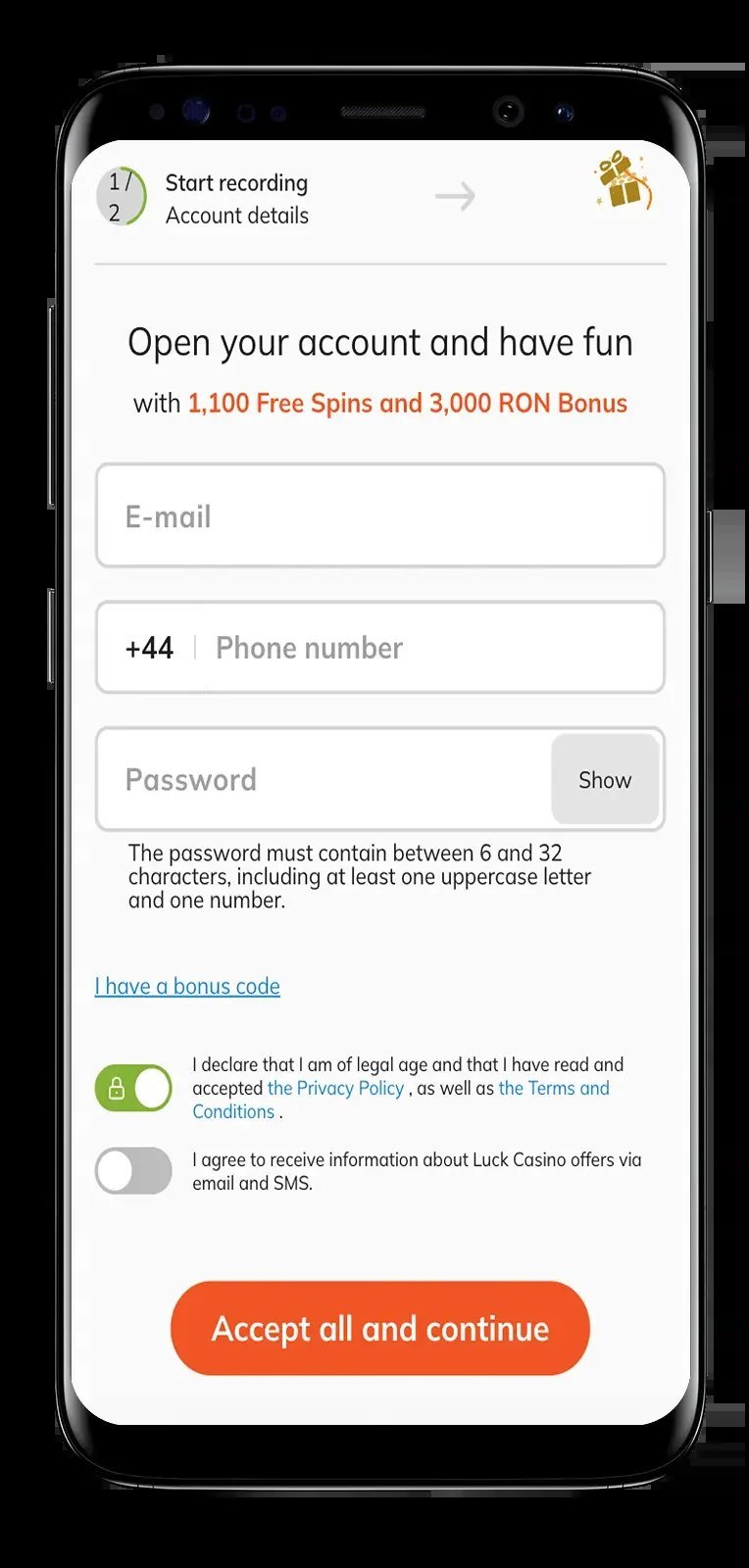
While you’re sipping that freshly brewed cup, you might wonder about other ways to entertain yourself at home. Some people turn to online gaming for a quick escape, and there’s a site called unlim luck that offers a variety of games to keep the evening lively.
Common Pitfalls to Avoid
1. Using the wrong water temperature. Even a 5 °C difference can alter the taste dramatically. 2. Ignoring the roast date. Beans older than three weeks will lack the bright flavors that make coffee enjoyable. 3. Skipping the bloom. The initial bloom releases carbon dioxide; skipping it can lead to a flat taste.
Final Thoughts
Mastering coffee brewing is less about the equipment and more about paying attention to detail. Measure your beans, control your water, and respect the extraction time. With practice, you’ll find that a perfect cup is just a few minutes away, and it will become a comforting ritual rather than a chore.